
Blog Overview:
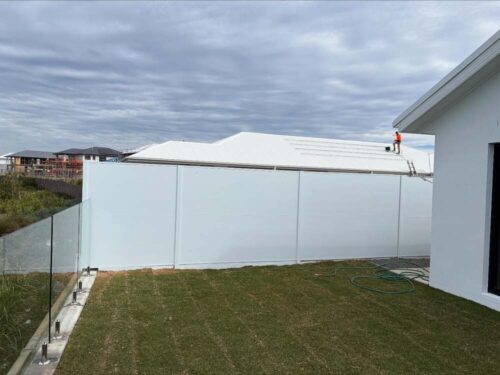
Modular wall and fence systems are a modern fencing solution widely used in Perth for their durability, consistent finish, and suitability to Western Australia’s climate. This guide explains how modular fencing works, where it is commonly used, and what to consider before installation.
Modular wall and fence systems are a modern fencing solution commonly used across Perth for residential, strata, and commercial properties. They are designed for durability, consistency, and efficient installation, making them well suited to Western Australia’s climate and planning requirements.
This guide explains what modular wall and fence systems are, how they are built, and why they are widely used in Perth.
What Are Modular Wall and Fence Systems?
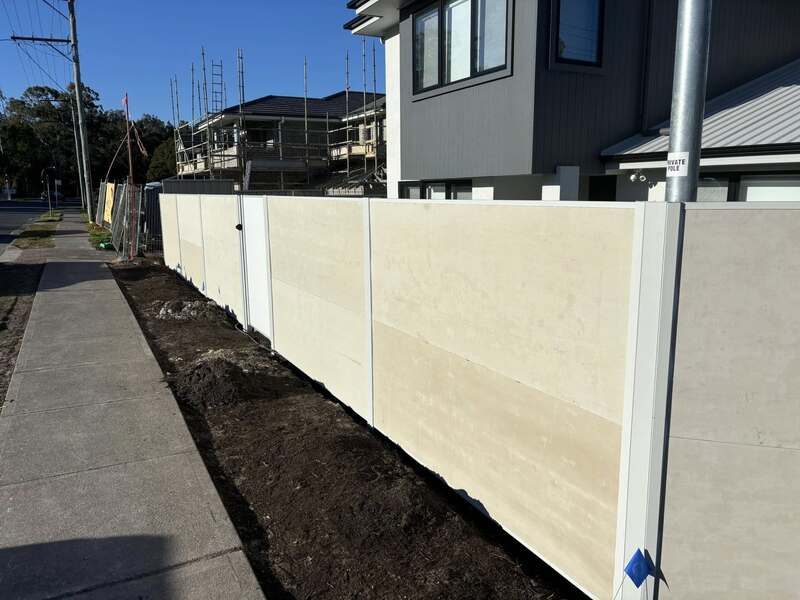
Modular wall and fence systems are pre-manufactured fencing solutions made up of standardised panels, posts, and fixings that are assembled on-site. Unlike traditional fencing that is built piece by piece, modular systems are engineered to fit together accurately and consistently.
They are commonly manufactured from:
- Steel or aluminium frames
- Composite, fibre cement, or steel infill panels
- Factory-applied powder-coated or sealed finishes
Depending on the system, modular fencing can be used for:
- Boundary fencing
- Privacy screening
- Noise attenuation fencing
- Decorative or architectural feature fencing
How Modular Fencing Systems Are Installed
A modular fence system typically includes:
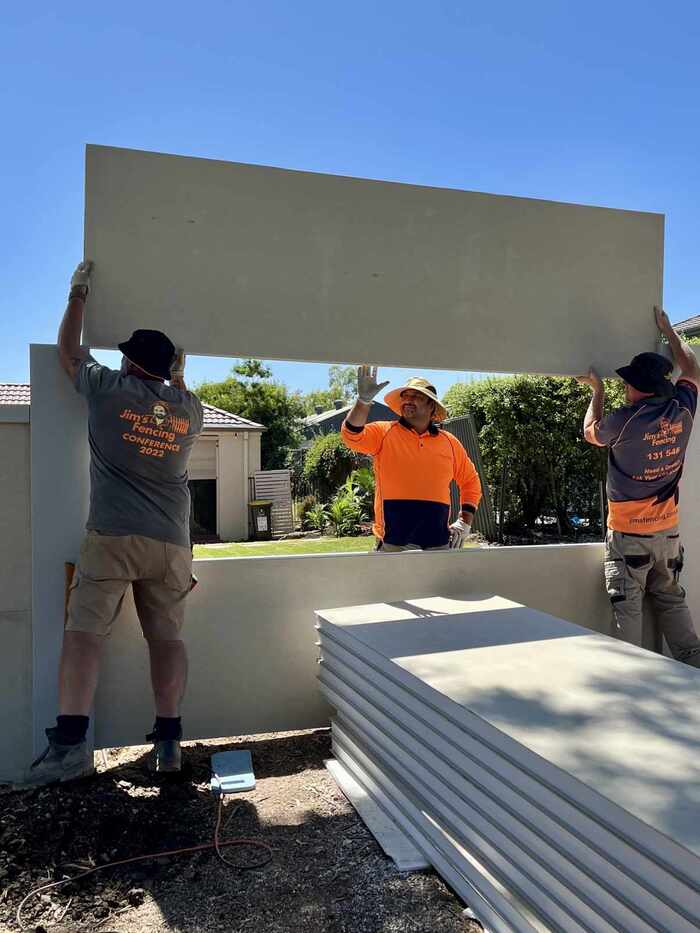
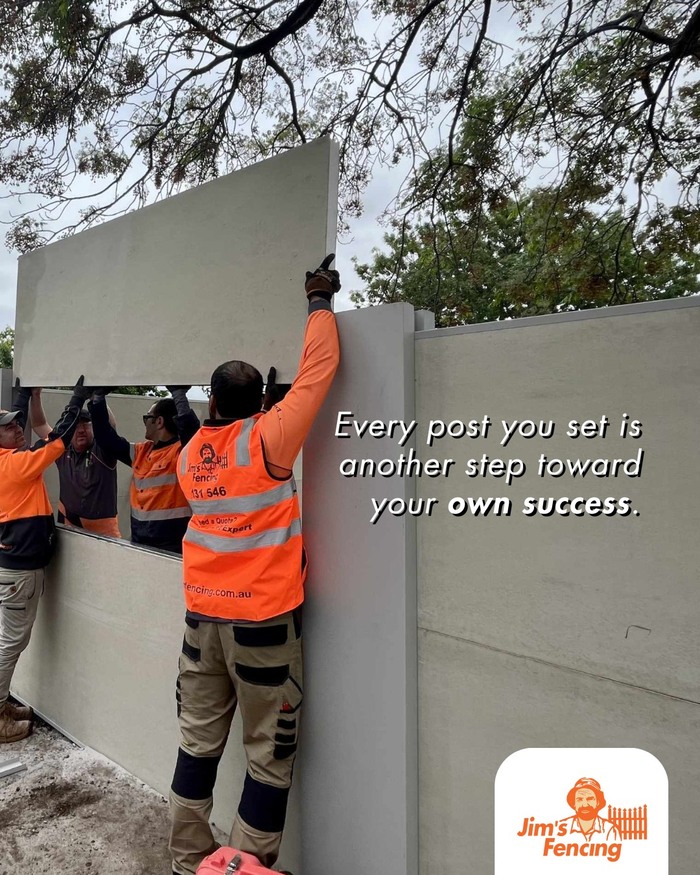
- Steel or aluminium posts set into concrete footings
- Infill panels that slot, slide, or fix between posts
- Top capping or finishing rails for protection and appearance
Because components are manufactured to set dimensions, installation is faster and more predictable than traditional fencing methods. Many modular systems are engineered to meet Australian wind-loading standards, which is particularly relevant in exposed and coastal areas around Perth.
Why Modular Fencing Is Commonly Used in Perth
Perth’s climate and development patterns make modular fencing a practical choice. These systems are widely used because they:
- Withstand high UV exposure and heat
- Do not rot, warp, or attract termites
- Perform better than untreated timber in coastal conditions
- Require minimal ongoing maintenance
Modular fencing is also frequently specified in new developments and multi-residential projects due to its consistent appearance and compliance with modern streetscape guidelines.
Common Applications
Residential Properties
Used for front boundaries, side fencing, and privacy screening where a clean, modern appearance is required.
Strata and Multi-Residential
Preferred for townhouses and apartment complexes due to uniform design, durability, and ease of repair or panel replacement.
Commercial and Industrial Sites
Used for perimeter fencing, screening, and noise management where strength and longevity are priorities.
Advantages of Modular Wall and Fence Systems
- Faster installation compared to traditional fencing
- Consistent finish and appearance
- High durability and long service life
- Low maintenance requirements
- Suitable for sloping sites using stepped designs
Key Considerations Before Installation
Before installing modular fencing in Perth, it is important to consider:
- Local council height and boundary regulations
- Wind-load requirements for the site
- Soil conditions affecting footing depth
- Whether privacy or acoustic performance is required
Professional site assessment ensures the selected system is appropriate and compliant.
Conclusion
Modular wall and fence systems provide a durable and efficient fencing solution for Perth properties, particularly where low maintenance and consistent appearance are required. Their engineered construction makes them suitable for residential, strata, and commercial use across Western Australia.
For modular wall and fence installation in Perth, Jim’s Fencing provides professionally installed systems designed to meet Australian standards and local council requirements, with workmanship warranties for added assurance.