
Blog Overview
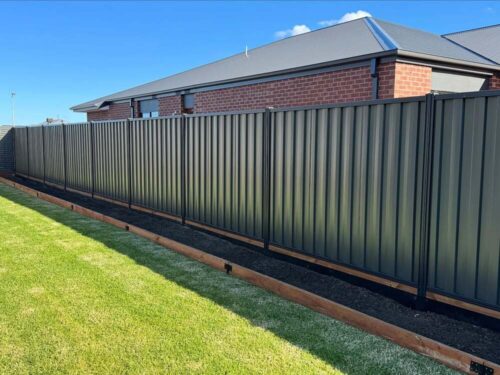
A noise reduction fence needs to be tall enough to block the direct sound path—usually at least 2.1 metres, and higher for heavy or commercial noise. This article explains how fence height impacts noise reduction and what works best in Australian conditions.
Noise reduction fencing can be highly effective—but only if it’s built to the right height and specification. Many homeowners install fences that look solid but do very little to reduce noise because the fence simply isn’t tall enough or correctly positioned.
The short answer: height matters more than most people realise.
The Minimum Height for Effective Noise Reduction
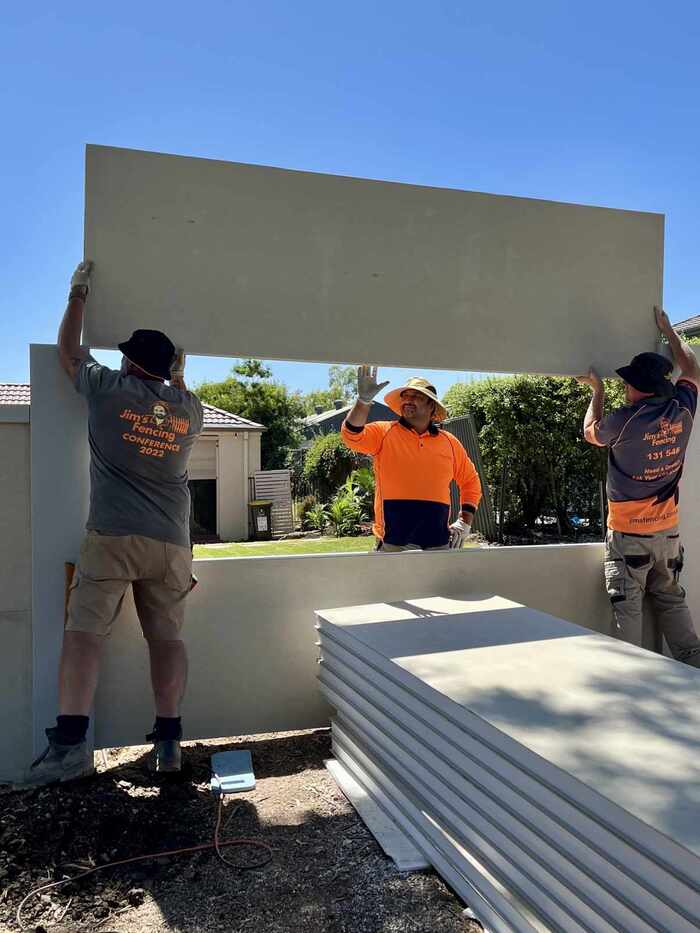
For a noise reduction fence to make a noticeable difference, it typically needs to be:
- At least 2.1 metres (7 feet) high
- Preferably 2.4–3.0 metres for high-noise environments
Anything below 1.8 metres offers only minimal noise reduction and is often ineffective against traffic, neighbours, or commercial noise.
This is because sound travels in waves and will easily pass over a fence if the barrier isn’t tall enough to block the direct line of sight between the noise source and the receiver.
Why Fence Height Is Critical
Noise fencing works by blocking and deflecting sound, not absorbing it completely. The fence must interrupt the sound path.
A fence needs to:
- Be taller than the noise source
- Extend above ear level at the point you want quiet
- Prevent sound from travelling directly over the top
As a rule of thumb:
The fence should be tall enough that you cannot see the noise source from the protected area.
If you can see it, you can usually hear it.
Typical Height Requirements by Noise Source
Road Traffic Noise
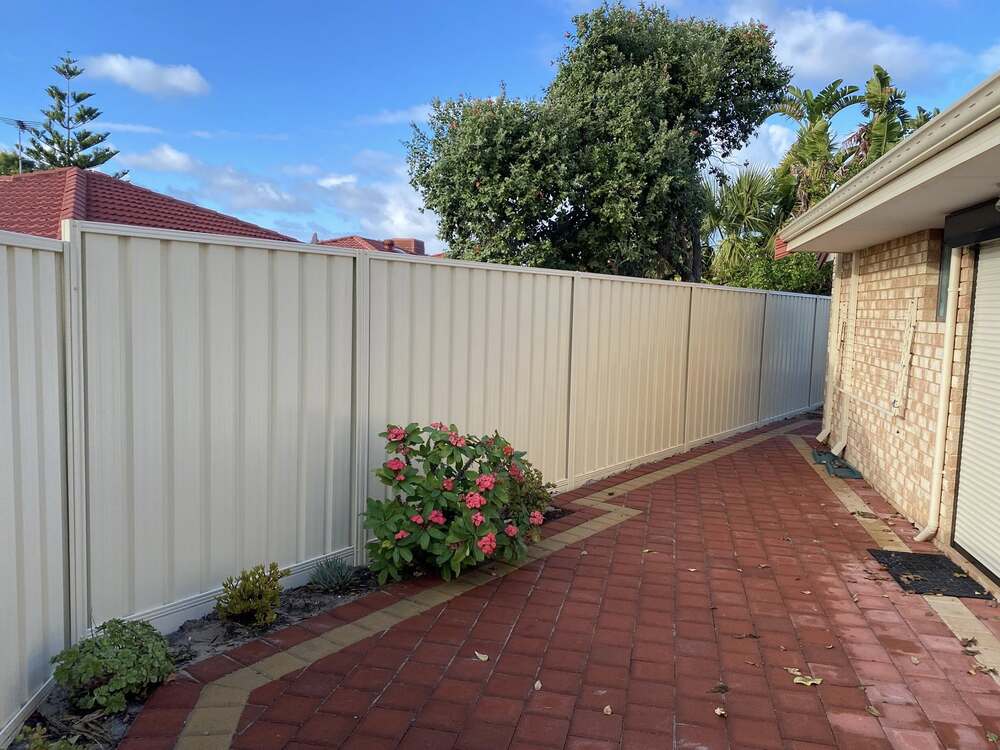
- Minimum: 2.1 m
- Effective reduction: 2.4–3.0 m
- Best results when fence is close to the road boundary
Neighbour Noise (voices, pools, music)
- Minimum: 1.8–2.1 m
- Effective reduction: 2.1–2.4 m
Commercial or Mechanical Noise (AC units, workshops)
- Often requires 2.4 m+
- May need combined solutions (fence + acoustic panels)
Height Alone Is Not Enough
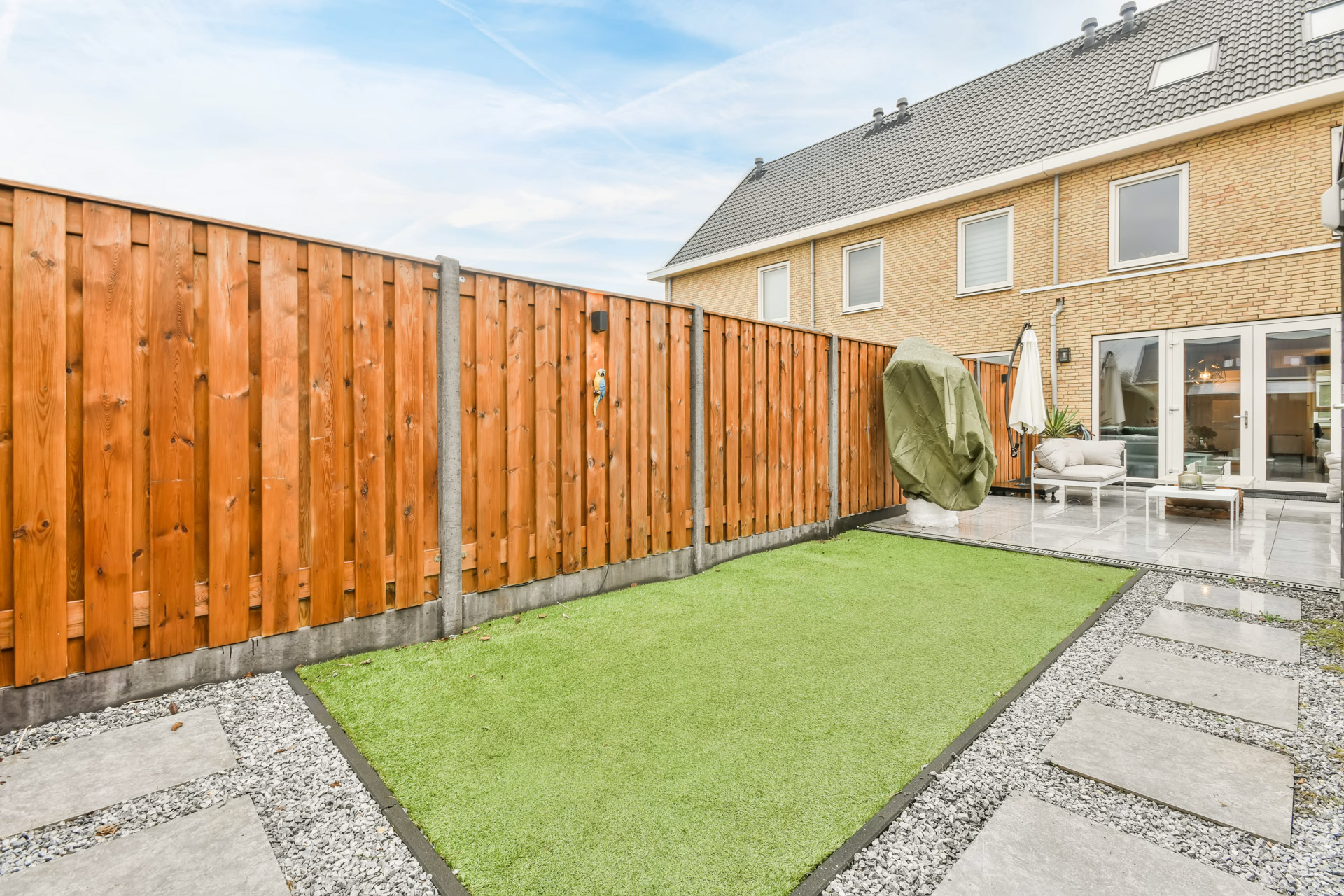
A tall fence will still fail if it isn’t built correctly.
For noise reduction to work, the fence must also be:
- Solid with no gaps (no slats or airflow gaps)
- Dense and continuous along the full noise path
- Properly sealed at ground level
- Structurally reinforced to handle wind load at greater heights
Even small gaps can allow sound to leak through, reducing effectiveness dramatically.
Australian Regulations and Practical Limits
In Australia, fence height is often regulated by:
- Local council planning rules
- Boundary fence laws
- Zoning and neighbourhood overlays
While standard residential fences are usually capped at 1.8–2.0 metres, noise reduction fencing often requires:
- Council approval
- Engineering considerations
- Purpose-built acoustic fencing systems
This is why professional assessment matters—installing the wrong height can mean no noise benefit and compliance issues.
Can an Existing Fence Be Upgraded?
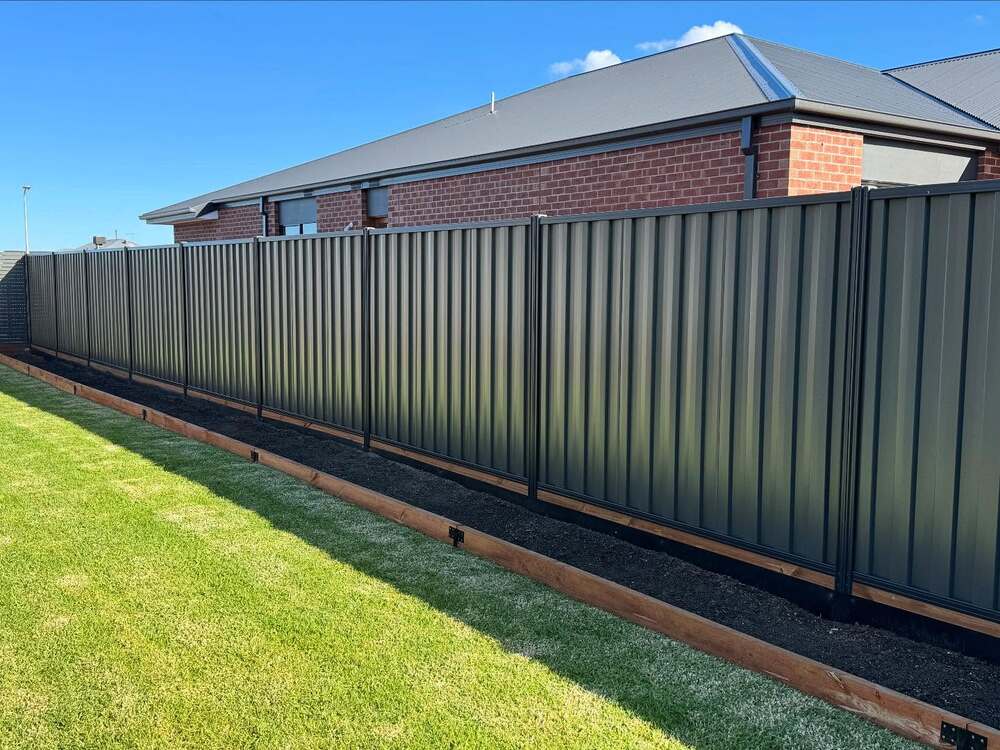
In many cases, yes.
Options include:
- Increasing fence height where permitted
- Adding acoustic panels to an existing structure
- Repairing gaps, warping, or ground clearance issues
However, not all fences can safely support extra height. Structural integrity is critical, especially in wind-prone areas.
Professional Noise Reduction Fencing in Australia
Effective noise reduction fencing is not guesswork—it’s about height, density, placement, and compliance.
Jim’s Fencing provides professional noise reduction fencing installation and repair across Australia. Their team assesses your noise source, site conditions, and council requirements to design fencing that actually works—not just fencing that looks tall.
If noise is impacting your home or business, getting the height and construction right from the start makes all the difference.