
Blog Overview
Many Australian homeowners ask, can I install a fence on my property line, but the answer depends on boundaries, council rules, and neighbour obligations. This blog explains when boundary fencing is allowed, what approvals are required, and how to avoid disputes or compliance issues.
Can I install a fence on my property line? This is one of the most common questions Australian homeowners ask when planning boundary fencing. While the short answer is often yes, the full answer depends on state legislation, council regulations, boundary definitions, neighbour consent, and how the fence is constructed. Getting it wrong can lead to disputes, legal orders, or insurance complications.
This Jim’s Fencing guide explains what Australian property owners need to know before installing a fence on a property line, including legal responsibilities, approval requirements, and best practices for compliant boundary fencing.
What Is a Property Line?

A property line (also called a boundary line) is the legally defined edge of your land as shown on your property title or survey plan. It determines:
- Where you are allowed to build
- Who owns and maintains structures
- Where responsibility lies in the event of damage or disputes
Fences installed on or near property lines must align with these legal boundaries—not assumptions based on old fences, hedges, or landmarks.
Is It Legal to Install a Fence on the Property Line?
In most parts of Australia, boundary fencing laws allow a fence to be installed on the common boundary between two properties. However, this does not mean you can install a fence unilaterally without considering regulations or your neighbour’s rights.
Each state and territory has fencing legislation that governs:
- Where a boundary fence can be placed
- How costs are shared
- What type of fence is considered “sufficient”
These laws aim to balance property rights with shared responsibility.
State and Council Rules Still Apply
Even when boundary fencing is permitted under state law, local council regulations may impose additional restrictions, including:
- Maximum fence height
- Fence materials allowed in residential zones
- Special rules for corner blocks
- Front boundary fencing limitations
A fence installed exactly on the property line but exceeding council height limits may still be considered non-compliant.
Do I Need My Neighbour’s Permission?
If the fence is built on the shared boundary, neighbour involvement is almost always required.
When Consent Is Required
- New boundary fence installation
- Replacement of an existing shared fence
- Height or material changes
- Moving the fence location
Most states require you to notify your neighbour in writing before starting work. If agreement cannot be reached, formal dispute resolution processes exist.
When Consent Is Not Required
If you install a fence entirely within your property, offset from the boundary line, neighbour consent may not be legally required—but council rules still apply.
Building Exactly on the Property Line vs Inside Your Boundary
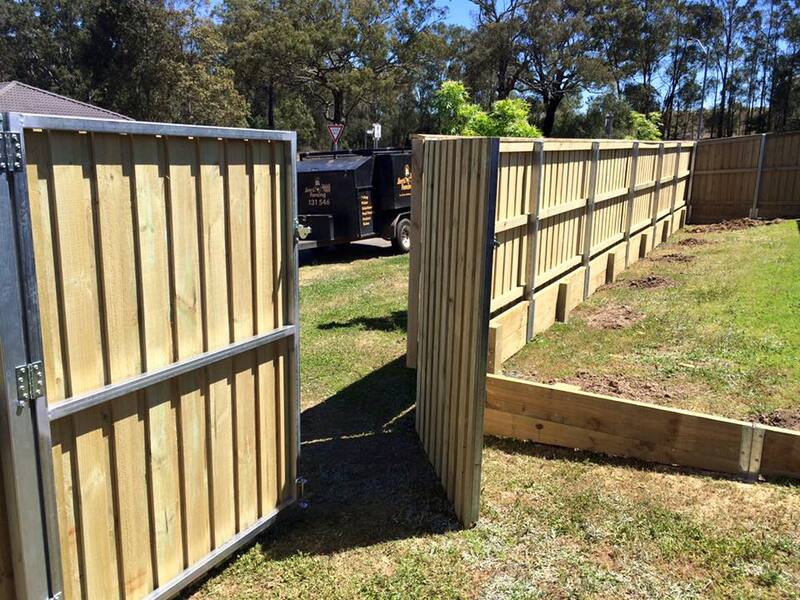
On the Property Line
Pros:
- Shared cost responsibility
- Maximises usable land
- Clear legal boundary definition
Cons:
- Requires neighbour cooperation
- Shared maintenance obligations
- Higher dispute risk if not documented
Inside Your Boundary
Pros:
- Full control over design and maintenance
- No shared ownership disputes
Cons:
- Loss of usable land
- Entire cost responsibility
- May complicate future boundary clarity
Choosing the right option depends on neighbour relations, property layout, and long-term plans.
How Boundary Disputes Affect Fence Installation
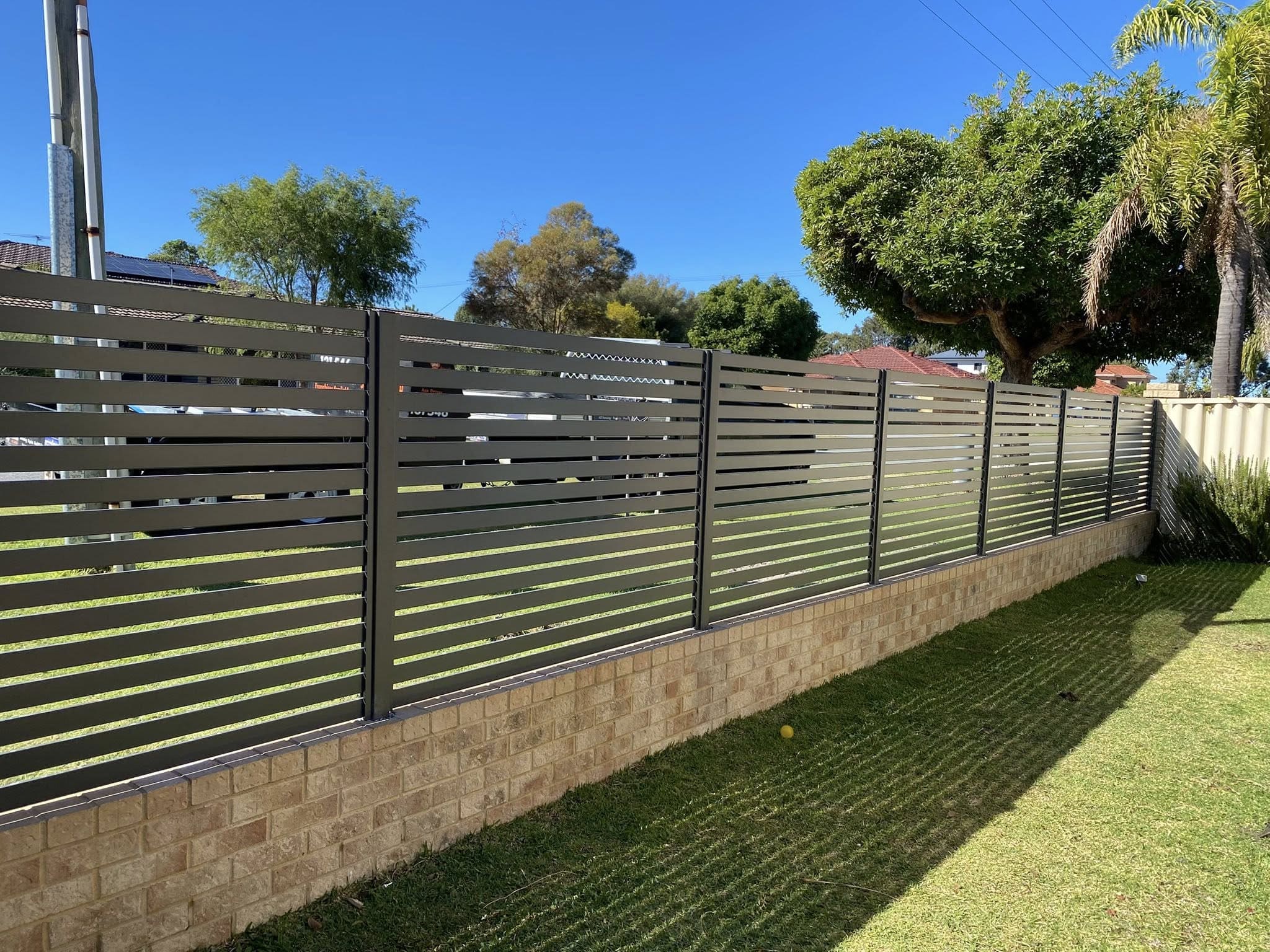
Boundary disputes are one of the biggest risks when installing a fence on a property line. Problems often arise from:
- Incorrect assumptions about boundary location
- Relying on old or misaligned fences
- Lack of formal surveys
- Verbal agreements without documentation
If a fence is later found to be incorrectly placed, you may be legally required to remove or relocate it at your own expense.
Should You Get a Survey Before Installing?
A licensed survey is strongly recommended when:
- The boundary location is unclear
- The fence is being built for the first time
- There has been previous boundary disagreement
- The land is sloped or irregular
Insurance providers and courts rely on survey data—not visual markers—when resolving disputes.
Height and Design Rules for Boundary Fencing
Most councils regulate:
- Side and rear boundary heights (often up to 1.8m)
- Front boundary heights (often lower)
- Materials used in visible areas
- Fence transparency near driveways or intersections
Installing a fence on the property line does not override these rules. A non-compliant fence may need to be modified or removed regardless of neighbour agreement.
Insurance Considerations
From an insurance perspective, boundary fences must be:
- Legally placed
- Structurally sound
- Properly maintained
If a fence collapses or causes injury and is found to be:
- Installed outside your boundary
- Non-compliant with regulations
- Poorly constructed
An insurer may reduce or deny a claim on the basis of negligence or unauthorised structures.
Maintenance Responsibilities for Boundary Fences
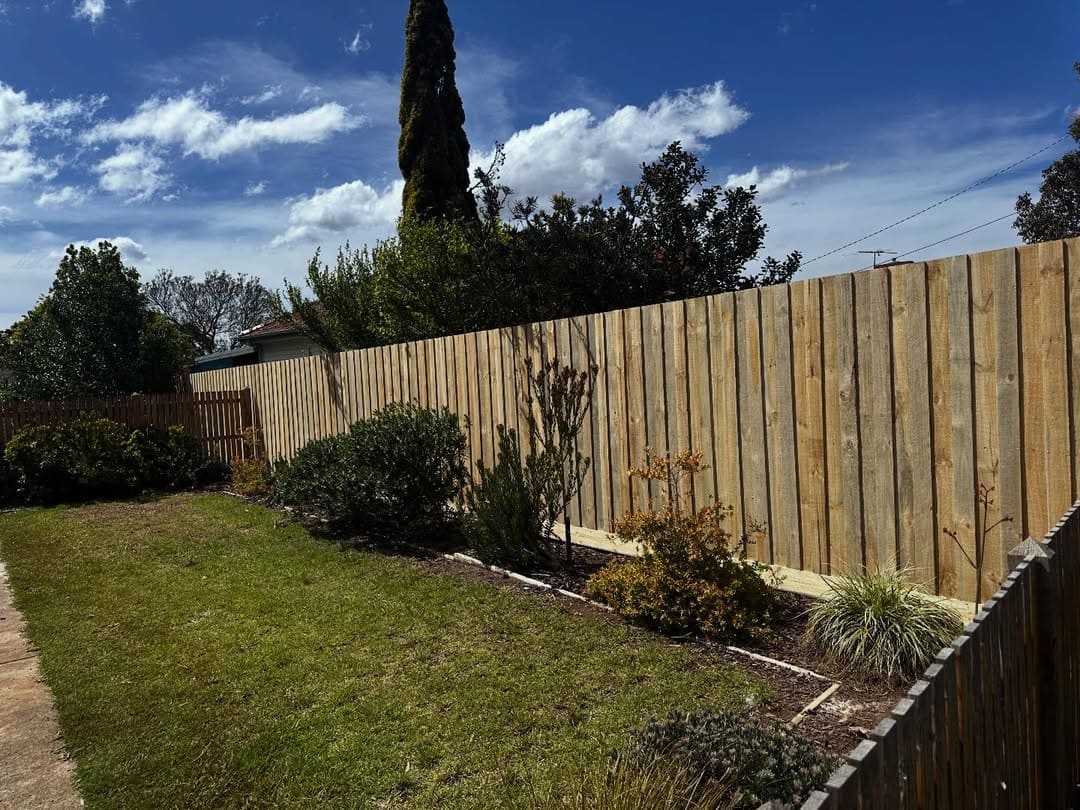
Boundary fences are typically considered joint assets, meaning:
- Repair costs are often shared
- Maintenance responsibilities apply to both owners
- Unauthorised modifications may create liability
Clear agreements help prevent disputes later, particularly when one party wants to alter height or materials.
Common Mistakes to Avoid
- Installing without confirming the boundary
- Failing to notify neighbours
- Exceeding permitted heights
- Using unsuitable materials
- Relying on old fences as boundary markers
These mistakes can turn a straightforward fence project into a costly legal issue.
Why Professional Boundary Fencing Matters
Professional fencing contractors understand:
- State fencing legislation
- Council approval processes
- Structural and wind-load requirements
- Boundary placement accuracy
This reduces risk, protects insurance coverage, and ensures long-term compliance.
Conclusion
So, can I install a fence on my property line? In most cases, yes—but only when it complies with state fencing laws, council regulations, and boundary accuracy requirements. Proper planning, neighbour communication, and correct installation are essential to avoid disputes, compliance issues, and insurance complications.
If you’re planning boundary fencing, Jim’s Fencing provides professional boundary fencing services across Australia. We ensure fences are installed on the correct boundary, meet state and council requirements, and are built to perform reliably over the long term.
Frequently Asked Questions
1. Can I install a fence directly on my property line in Australia?
In most cases, yes. Boundary fencing is generally allowed under state legislation, provided the fence is installed on the correct boundary and complies with council regulations.
2. Do I need my neighbour’s permission to build a boundary fence?
Yes, if the fence is shared on the boundary. Most states require you to notify your neighbour and attempt to reach agreement before installing or replacing a boundary fence.
3. What happens if my fence is built on the wrong boundary?
If a fence is incorrectly placed, you may be required to remove or relocate it at your own expense. Insurance claims related to the fence may also be affected.
4. Is council approval required for boundary fencing?
Not always, but approval may be needed if the fence exceeds height limits, is on a front boundary, or is located on a corner block. Council rules vary by location.
5. Who is responsible for maintaining a boundary fence?
Boundary fences are typically a shared responsibility between neighbours. Costs and maintenance obligations are usually split unless otherwise agreed in writing.