
Blog Overview
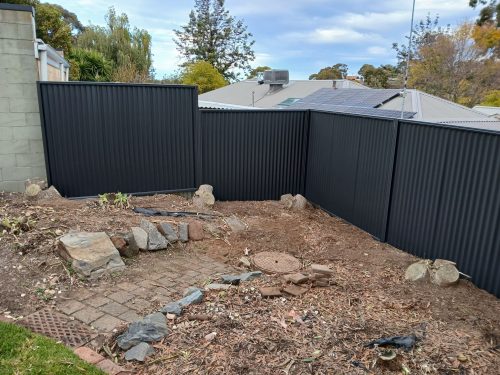
Many Australian properties aren’t level, which raises the question of whether traditional fencing can be installed on uneven or sloping ground. This blog explains the installation methods used, key structural considerations, and what to expect when fencing a sloped block.
Installing a fence on flat land is relatively straightforward, but many Australian properties aren’t perfectly level. From gently sloping suburban blocks to uneven rural land, homeowners often ask: can traditional fencing be installed on uneven or sloping ground? The answer is yes—but the installation method, materials, and planning all need to be handled correctly to ensure strength, compliance, and long-term performance.
This Jim’s Fencing blog explains how traditional fencing is installed on sloping or uneven ground, the methods used, and what property owners should consider before starting a fencing project.
What Is Considered Uneven or Sloping Ground?
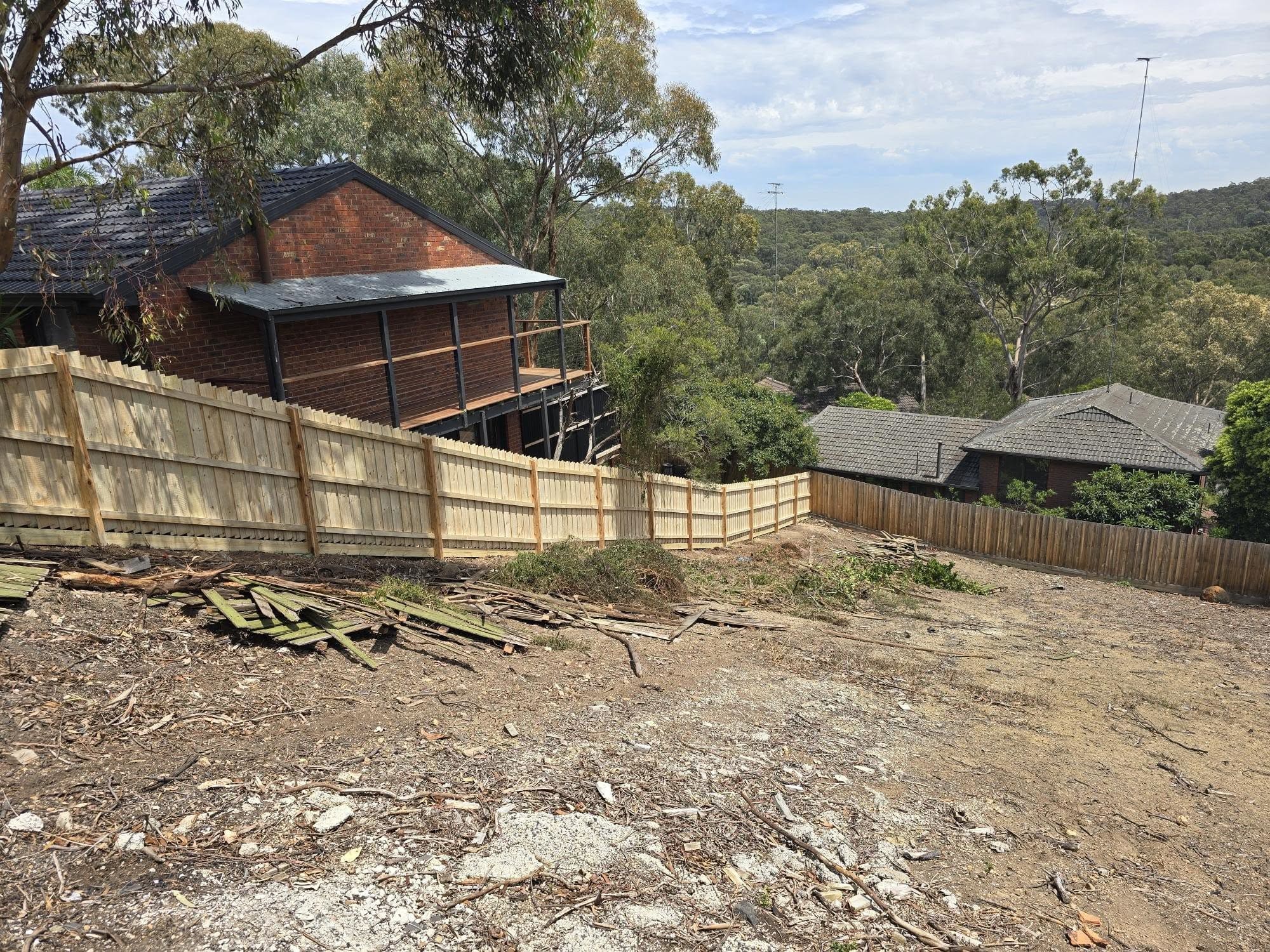
Uneven or sloping ground refers to land that:
- Has a gradual incline or decline
- Includes dips, rises, or irregular contours
- Is stepped due to landscaping or retaining walls
- Slopes toward drainage lines, roads, or neighbouring properties
Even minor changes in ground level can affect fence alignment, post depth, and structural stability if not addressed properly during installation.
Can Traditional Fencing Be Installed on Slopes?
Yes, traditional fencing—including metal and timber fencing—can be installed on sloping ground. However, it cannot be installed the same way as fencing on flat land. Installers must adapt the fence design to suit the terrain while maintaining strength, appearance, and compliance with council regulations.
The two most common installation methods used on sloping ground are stepped fencing and raked fencing.
Stepped Fencing: How It Works
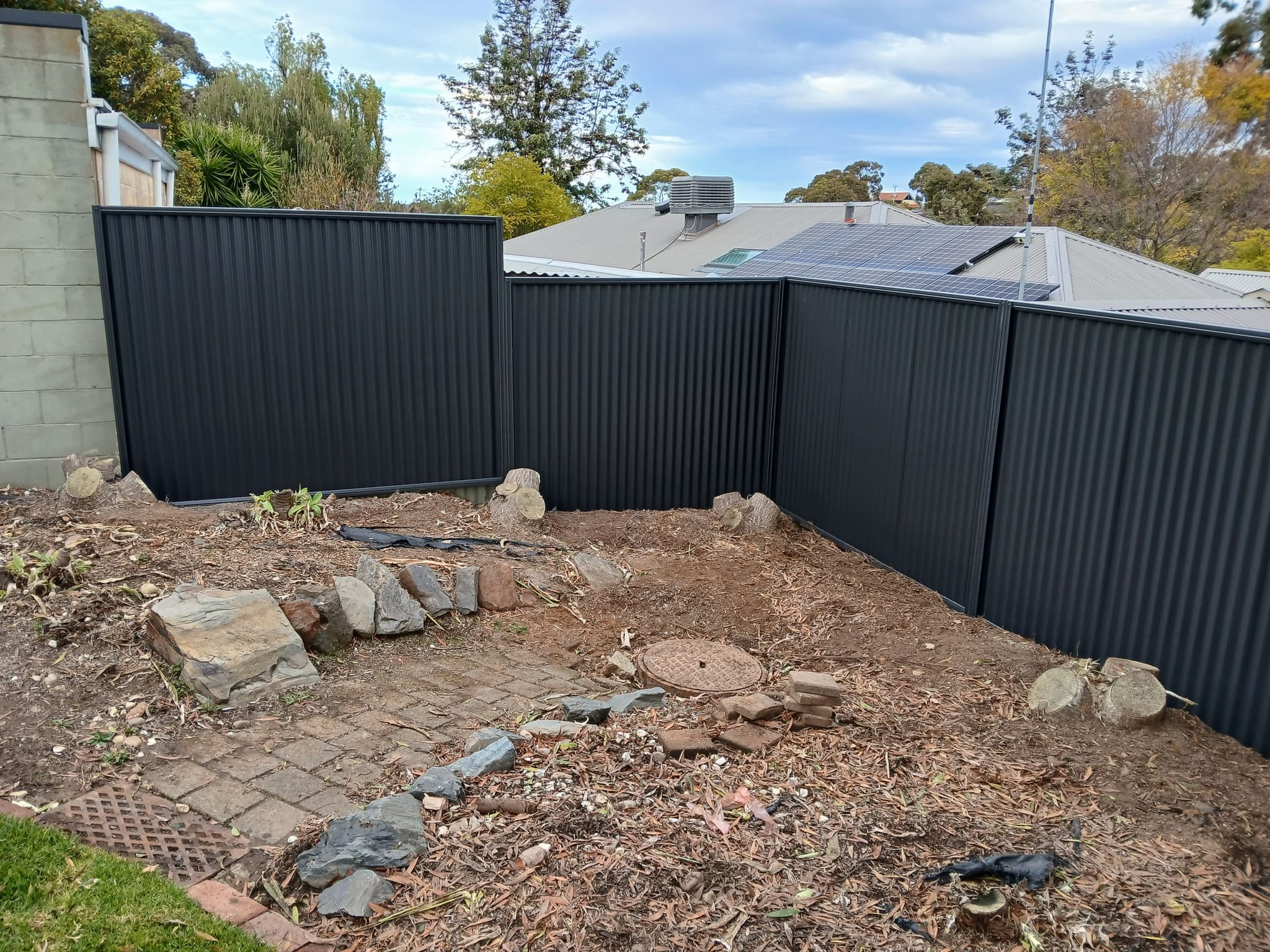
Stepped fencing involves installing fence panels in horizontal sections that “step” down or up with the slope.
Key Features of Stepped Fencing
- Fence panels remain level
- Gaps appear beneath panels on sloped ground
- Posts are set at different heights
- Clean, structured appearance
When Stepped Fencing Is Used
- Moderate to steep slopes
- Where panel integrity must be preserved
- When using rigid materials like Colorbond
Considerations
- Gaps under panels may need infill for pets or privacy
- Extra planning is required to maintain consistent heights
- Council height limits still apply at the highest point
Stepped fencing is one of the most commonly used methods for traditional fencing on uneven Australian blocks.
Raked Fencing: How It Works
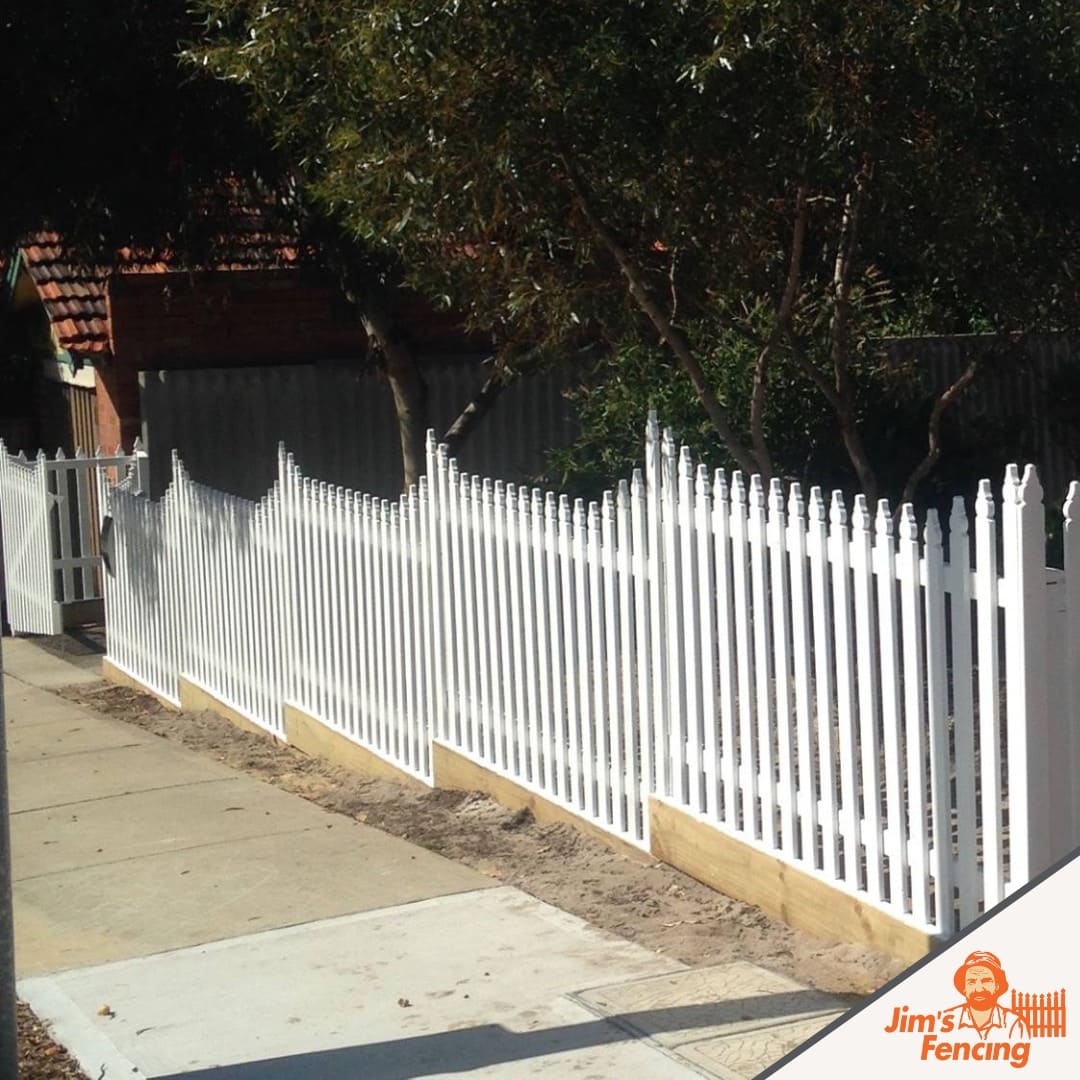
Raked fencing follows the natural angle of the slope, with panels or rails installed at a gradual incline.
Key Features of Raked Fencing
- Fence follows the contour of the land
- Minimal gaps beneath panels
- Smoother visual flow
When Raked Fencing Is Used
- Gentle slopes
- Timber fencing systems
- Where aesthetics are a priority
Considerations
- Not all fencing materials can be raked
- Requires precise measurements and cutting
- Limited by maximum rake angles
Raked fencing is less common than stepped fencing but works well for shallow gradients.
Post Depth and Footings on Sloping Ground
One of the most important aspects of traditional fencing installation on uneven ground is correct post footing depth.
On sloped sites:
- Downhill posts often require deeper footings
- Footings must compensate for soil erosion risk
- Wind load increases due to uneven exposure
Inadequate post depth is a leading cause of fence movement and failure, particularly on sloping or exposed blocks.
Managing Wind Load and Structural Stress
Sloping land often increases wind pressure on fences because:
- Elevation changes create wind channels
- Gaps under stepped fencing allow uplift
- Posts experience uneven lateral pressure
To manage this, professional installers may:
- Increase post size or spacing
- Use deeper concrete footings
- Reinforce rails or panels
- Adjust fence height strategically
These measures are essential for long-term stability and insurance compliance.
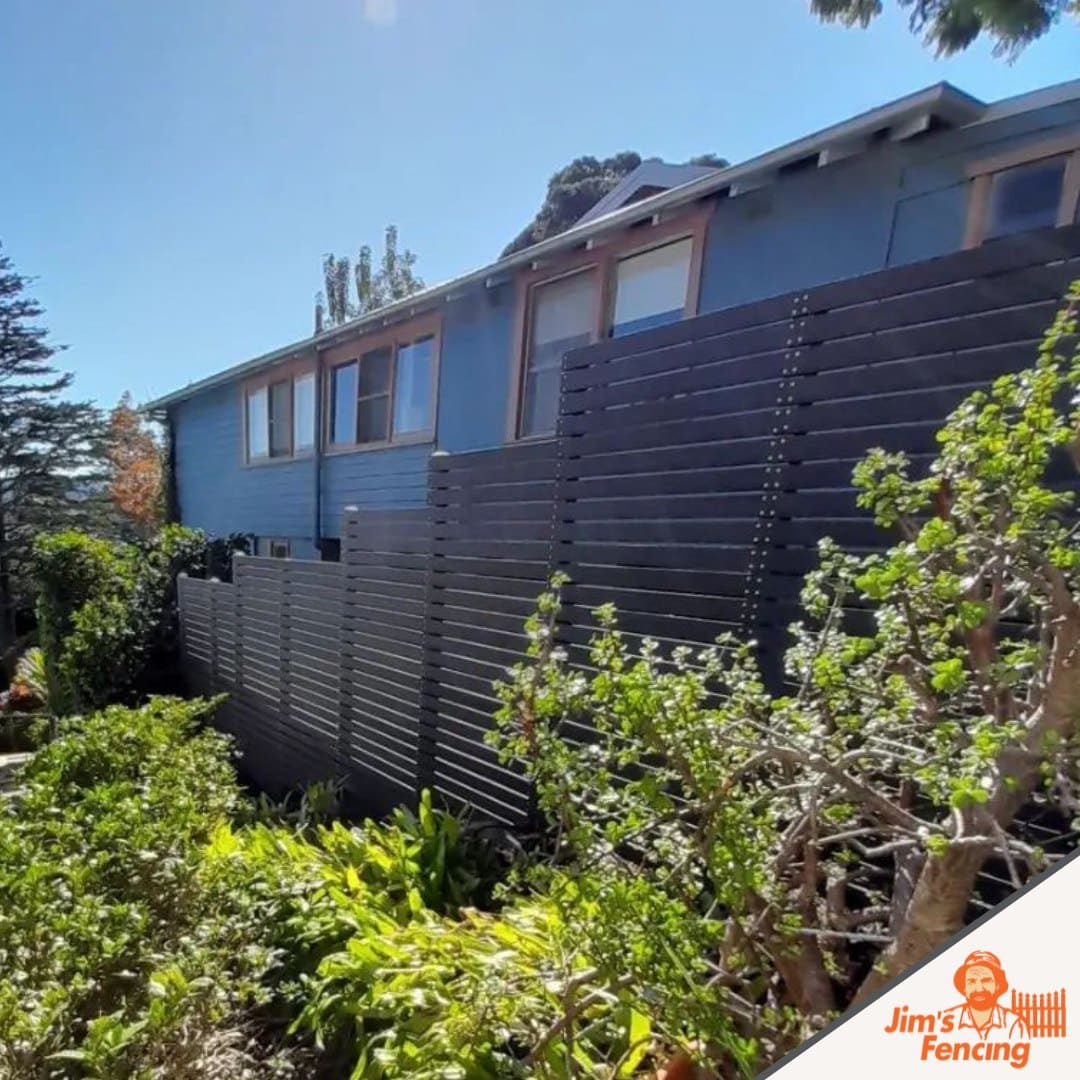
Drainage Considerations
Uneven ground frequently affects natural water flow. Poor drainage around fence posts can lead to:
- Soil washout
- Leaning or sinking posts
- Accelerated timber rot
- Corrosion of metal components
Proper fencing installation accounts for drainage by:
- Avoiding placement in active water paths
- Adjusting post footing design
- Allowing controlled water movement beneath panels
Ignoring drainage issues can significantly shorten the lifespan of a fence.
Council Height Limits Still Apply
Installing a fence on a slope does not exempt it from council regulations.
Most councils assess fence height based on:
- Natural ground level
- Highest point of the fence
- Visibility from neighbouring properties or streets
On sloping ground, it’s easy to unintentionally exceed height limits if stepped sections are not carefully planned. Non-compliant fencing may need to be altered or removed, even if it was installed in good faith.
Boundary Accuracy on Uneven Land
Sloping blocks often make boundary lines less visually obvious. Relying on existing fences or landscaping can be misleading.
Before installation:
- Confirm boundary lines using title plans
- Consider a survey if boundaries are unclear
- Ensure posts are positioned accurately along the legal boundary
Incorrect placement on sloping land is harder—and more expensive—to correct later.
Is DIY Installation a Good Idea on Sloping Ground?
While DIY fencing may be possible on flat sites, uneven ground significantly increases complexity. Common DIY issues include:
- Inconsistent fence heights
- Poor alignment
- Insufficient post depth
- Structural weakness under wind load
Professional installers have the tools and experience to adapt fencing systems to difficult terrain, reducing the risk of future repairs or insurance disputes.
When Traditional Fencing May Not Be Suitable
In some cases, extreme slopes may not be ideal for standard traditional fencing. Alternatives or additional solutions may be required if:
- The slope is very steep
- Retaining walls are needed
- Soil stability is poor
- Height compliance cannot be achieved
A professional assessment helps determine whether traditional fencing is appropriate or if modifications are required.
Conclusion
So, can traditional fencing be installed on uneven or sloping ground? Yes—but only when the installation method matches the terrain. Choosing between stepped or raked fencing, ensuring correct post depth, managing wind load, and complying with council regulations are all critical to achieving a durable and compliant result.
For sloping or uneven sites, professional installation makes a significant difference. Jim’s Fencing provides expert traditional fencing installation across Australia, with experience installing fences on challenging terrain while meeting structural, council, and long-term performance requirements.
Frequently Asked Questions
1. Can traditional fencing be installed on sloping ground?
Yes. Traditional fencing can be installed on sloping ground using stepped or raked installation methods, depending on the steepness of the slope and the fencing material used.
2. What is the difference between stepped and raked fencing?
Stepped fencing uses level panels that follow the slope in sections, while raked fencing angles the panels to match the ground. Stepped fencing is more common for steeper slopes, while raked fencing suits gentle gradients.
3. Will fencing on a slope cost more to install?
Often, yes. Sloping ground may require deeper post footings, additional labour, and more planning, which can increase installation costs compared to flat sites.
4. Do council height rules apply on uneven ground?
Yes. Fence height limits still apply and are usually measured from natural ground level. Poor planning on sloped land can result in non-compliant fence heights.
5. Is professional installation recommended for sloping sites?
Yes. Installing fencing on uneven ground involves structural, drainage, and alignment challenges that are difficult to manage without professional experience.